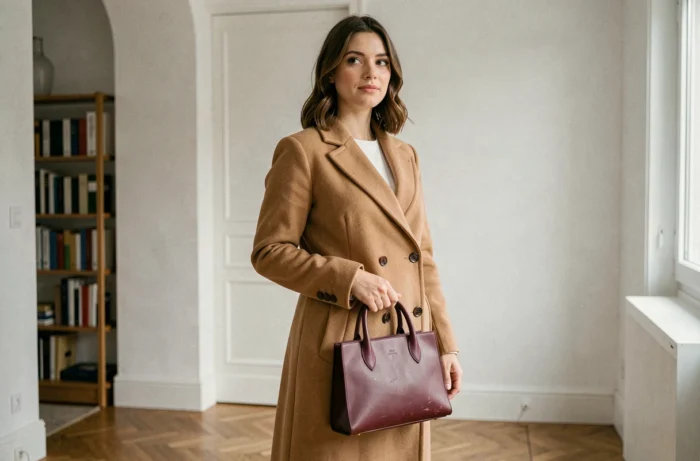
A fashion accessory serves two simultaneous functions: it alters the perceived silhouette and signals specific aesthetic choices. Bag, belt, jewelry, sunglasses, or scarf, each piece affects the proportions, colors, and texture of an outfit. Understanding this mechanism allows for the creation of cohesive ensembles without multiplying clothing items.
European Regulation ESPR and Accessories: What Changes for Consumers
Since July 19, 2026, the Ecodesign for Sustainable Products Regulation (ESPR, Regulation (EU) 2024/1781) prohibits large companies from destroying unsold new accessories in the European Union. Bags, scarves, hats, belts, and shoes are included.
Recycling is no longer considered an acceptable solution for these new products, except for documented exceptions (counterfeiting, major defects, proven danger). Brands must now prioritize resale, donation, or reuse.
For those purchasing accessories, the direct consequence is an increase in liquidation channels: outlets, private sales, second-hand platforms. Quality pieces appear more frequently at reduced prices, making ranges that are usually out of budget more accessible. Browsing accessories on Life Actually, one can already see this diversification of the offer, with selections that mix new pieces and items from end-of-line collections.
This regulatory framework also encourages brands to design more durable accessories from the outset, using materials intended for a second life. Sustainability becomes a criterion of style as much as of consciousness.
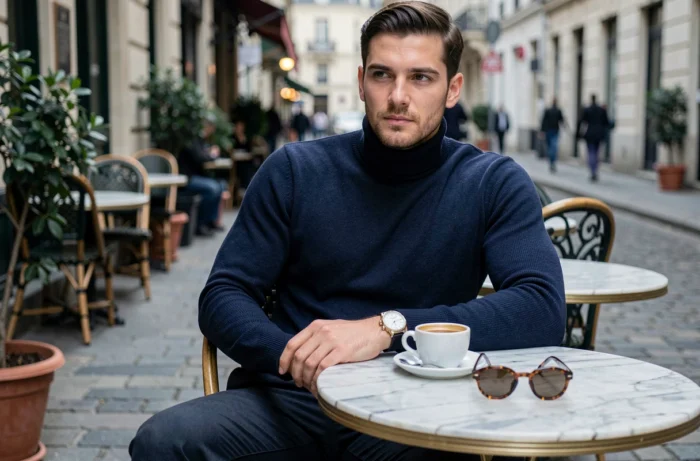
Choosing a Bag According to Body Shape and Use
The bag structures an outfit more than any other accessory. Its volume, position on the body, and color alter the perception of proportions.
A bag worn with a short shoulder strap raises the visual waistline. A tote held at arm’s length elongates the silhouette. A backpack distributes weight but flattens the bust when viewed from the side.
- For daily use (commuting, office), a medium-sized structured bag offers the best compromise between capacity and style. Opt for leather or thick fabric that maintains its shape even when half-empty.
- For outings or events, a clutch or small chain bag lightens the silhouette and forces one to carry only the essentials, avoiding the “dump bag” effect.
- For long days or travel, a soft tote in canvas or grained leather supports volume without appearing rigid. Check the sturdiness of the handles and the presence of a zipped inner pocket.
The bag must be proportionate to the body frame: a model that is too small on a tall silhouette looks like a doll accessory, while a model that is too bulky on a slender silhouette disrupts the overall balance.
Belt and Jewelry: Working Proportions Without Changing Outfits
The belt is the only accessory capable of redefining the waist on any loose garment. On a flowing dress, an oversized shirt, or a straight blazer, it creates a focal point that segments the silhouette into two distinct blocks.
A wide belt firmly marks the waist and is suitable for soft fabrics. A thin belt works better on structured materials where it highlights an existing cut.
Jewelry and Metal Consistency
Mixing metals (gold, silver, rose gold) in the same outfit works as long as a dominant is respected. Two out of three pieces in the same metal are enough to create a visual unity.
Layered fine jewelry replaces a statement piece when seeking subtlety: two or three chains of different lengths create a volume effect without heaviness. Conversely, a sculpted ring or thick hoops worn alone are enough to anchor the style of a monochrome outfit.

Sunglasses and Scarves: Accessories That Change a Look in Thirty Seconds
Sunglasses protect the eyes, but they also reshape the face. The basic rule: the frame must contrast with the shape of the face. Sharp angles (rectangular, cat-eye) soften a round face. Round or oval shapes break the rigidity of an angular face.
The choice of frame color follows the same logic as the rest of the outfit. A tortoiseshell frame fits into warm tones, a black frame works as a universal neutral accessory, and a colored frame (red, blue) becomes the centerpiece of the look.
The Scarf as an Adjustment Variable
A silk scarf tied around the neck, on the handle of a bag, or in the hair transforms a basic outfit into a well-composed one. Its added value lies in introducing a pattern or color absent from the rest of the ensemble.
Tied as a headband, it replaces a rigid headband with more flexibility. Worn on the wrist, it functions as a textile bracelet. A single well-chosen scarf offers at least four different configurations, making it one of the most versatile accessories per euro spent.
The selection of accessories benefits from being kept tight: a few quality pieces, chosen for their compatibility with each other, cover more situations than an accumulation of disparate items. The new European framework on unsold goods facilitates access to durable pieces at more varied prices, making this approach more realistic than a few years ago.