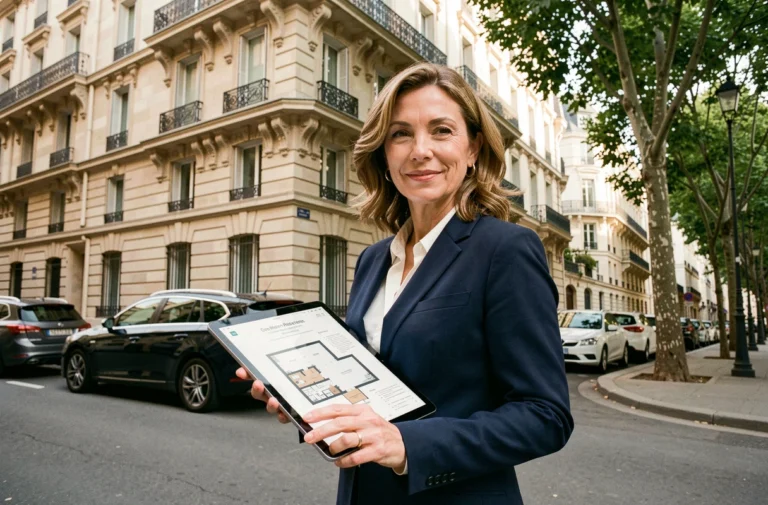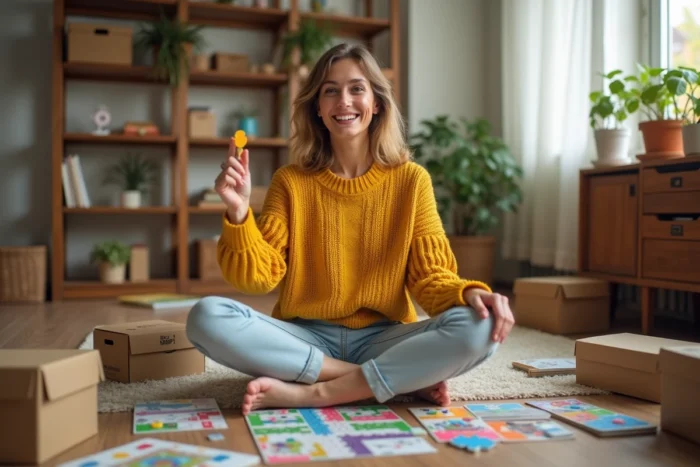
The leisure market in France is undergoing a transformation that goes beyond simple seasonal renewal. Where previous years saw mainly adjustments in offerings at parks and festivals, 2024 marks a shift towards more fragmented practices: outdoor sports as a travel criterion, creative hobbies for adults, and ultra-specialized regional facilities. These movements are reshaping the landscape of leisure well beyond the summer calendar.
Outdoor sports and destination choice: a structural link
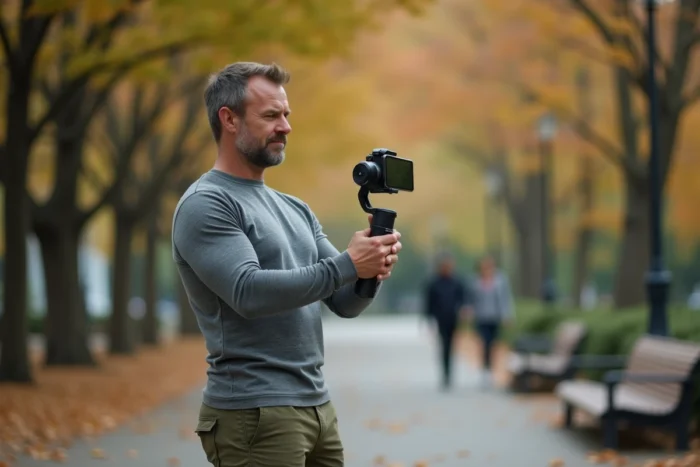
Sport is no longer an afterthought during vacations. Le Figaro Voyages reports that sports have become the primary criterion for choosing a destination, with a growth of over 20% at Decathlon Travel for sports trips. This figure reflects a change in logic: people no longer seek a destination and then an activity on-site; they first choose the activity.
This phenomenon is also observed outside the summer period. According to available data, 79% of French people already engage in outdoor activities, meaning that demand is no longer concentrated in July and August. Hiking, cycling, and canoeing fuel a continuous flow towards regions investing in dedicated infrastructures.
To keep up with these developments, leisure on Actualité Premium regularly covers new practices and destinations emerging in France.
The consequence for regions is direct. Local authorities and tourist offices are repositioning their offerings around marked trails, climbing spots, and kayak launch sites. This is no longer niche marketing: it’s an economic lever year-round.
Creative hobbies for adults: a market in full structuring
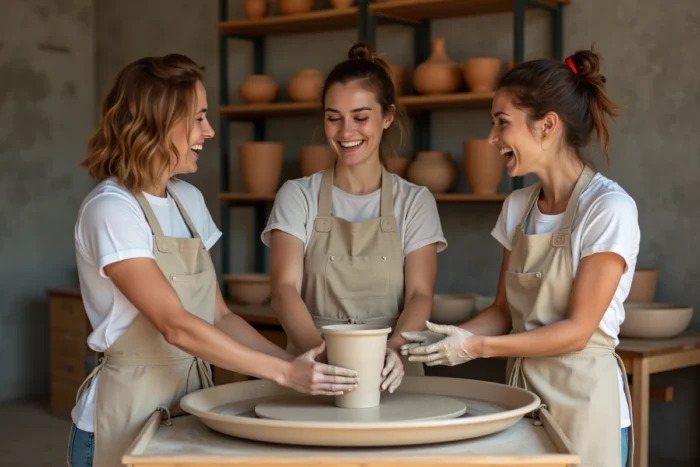
Creative hobbies are no longer confined to children or the DIY aisles of large stores. TCMA-Conseil highlights that this sector now attracts an adult audience seeking artistic expression and relaxation, with a multiplication of specialized offerings.
Ceramics workshops, contemporary embroidery, decorative DIY: these activities are structuring around dedicated spaces, subscription boxes, and events. The movement is part of a broader trend towards disconnected and manual hobbies, countering digital saturation.
Recent guides direct beginners towards so-called “slow” practices:
- Watercolor and creative journaling, which require only a modest material investment and can be practiced alone or in group workshops
- Punch needle and contemporary embroidery, supported by an active online community sharing patterns and techniques
- Ceramics in shared workshops, where kiln and wheel rentals make a practice once reserved for artisans accessible
The common thread of these activities: they oppose a slow and tangible rhythm to the rapid consumption of online content. Field feedback varies on the sustainability of certain trends (punch needle has seen peaks and then declines), but the overall trend towards adult handmade seems durable.
Amusement parks and new experiences: what is changing in France
The amusement park sector continues its diversification. In Villeneuve-Loubet, an adventure park inspired by Koh-Lanta has opened its doors, illustrating a shift towards immersive concepts based on collective physical challenges. The model moves away from traditional rides to offer narrative courses where the visitor is an active participant.
The Compagnie des Alpes, a major operator in the sector, is betting on padel to accelerate its diversification into leisure sports. This choice is telling: rather than investing in new high-capital attractions, the company is turning to sports practices that have quick turnover and controlled operating costs.
These developments raise an open question. Can traditional parks absorb this shift towards experiential offerings without losing their identity? Available data does not allow for conclusions on the medium-term profitability of these new formats, but the movement is underway.
Leisure tourism and Generation Z: shifting benchmarks
A weak signal deserves attention: Generation Z is redefining what constitutes a “place to visit.” TourMag reports that supermarkets and libraries are becoming tourist hotspots for this age group. The phenomenon, first documented in Asia, is spreading to Europe.
This shift blurs established categories between leisure, culture, and consumption. A local supermarket becomes a cultural experience; a municipal library, a travel destination. For tourism stakeholders, this complicates the traditional segmentation of offerings.
Meanwhile, sports trips and stays focused on specific practices are gaining traction across all age groups. Leisure in 2024 is no longer defined by a location (park, museum, spa) but by a chosen activity as the guiding thread of the stay.
What these trends reveal in contrast
Three driving forces run through these developments:
- The search for leisure with immediate utility (learning, self-improvement, creating) rather than passive consumption
- A strengthened territorial anchoring, where outdoor activities highlight a specific place rather than a generic concept
- A fragmentation of audiences that renders “all-public” offerings obsolete in favor of targeted proposals by practice
The leisure market in France is no longer summed up as an opposition between culture and entertainment. Boundaries are shifting, audiences are specializing, and the players who are thriving are those offering a specific activity in an identified territory. The open question remains about the pace: will these trends solidify into sustainable habits or remain successive fashion cycles?